
Overview
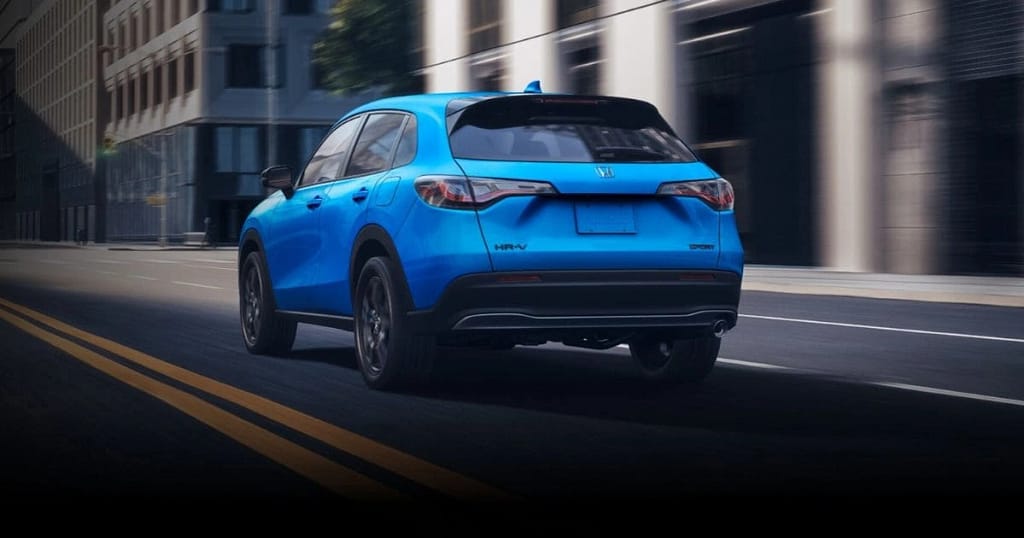
The 2026 Honda HR-V is Honda’s entry-level SUV, designed for practicality rather than speed or tech-heavy features. Now in its third generation with a mid-cycle refresh, the HR-V focuses on incremental improvements to technology, standard equipment, and trim content while keeping the same 2.0L naturally aspirated engine and CVT.
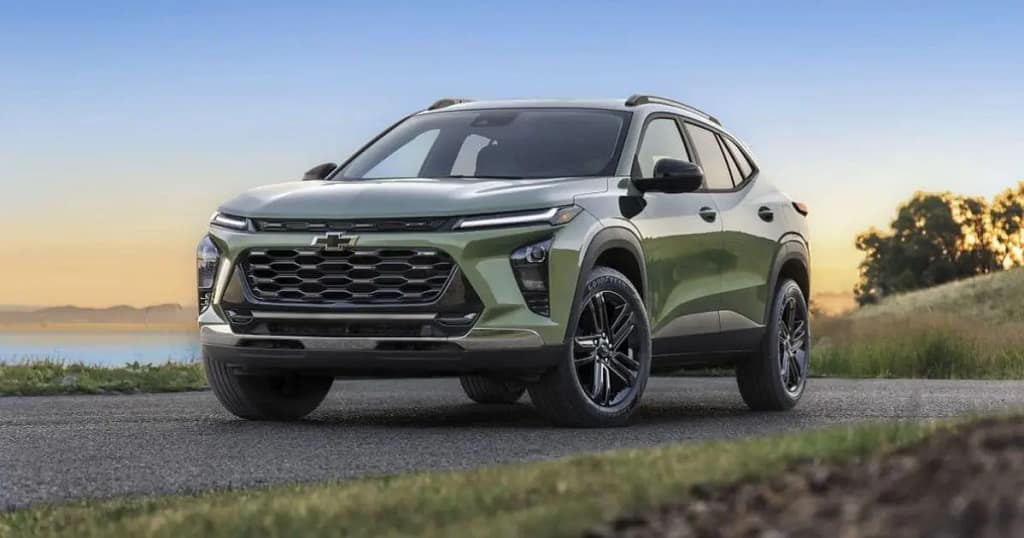
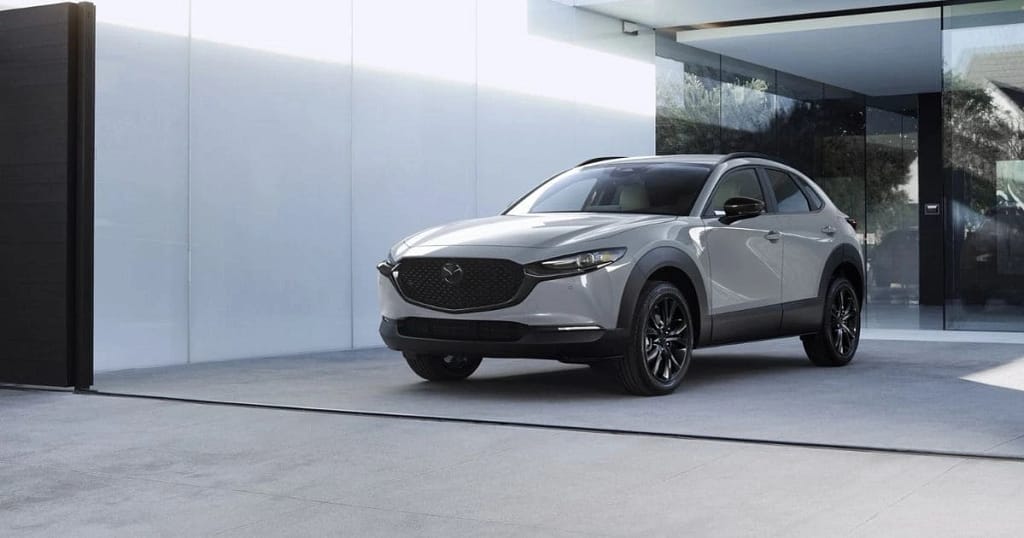
The HR-V appeals to buyers who prioritize interior space, safety, and reliability over sporty performance. Competitors like the Subaru Crosstrek or Mazda CX-30 offer turbo engines, hybrid options, or more performance-oriented setups—but the HR-V keeps things simple, predictable, and low-risk.
What’s New for 2026
Honda’s updates for the 2026 model year focus on features and day-to-day usability rather than mechanical changes. There is no redesign, and the HR-V’s platform, engine, and drivetrain carry over unchanged. Instead, the refresh targets areas buyers interact with most, particularly technology and standard equipment, with the biggest gains landing on lower trims. Key updates for 2026 include:
- 9.0-inch touchscreen now standard on all trims
- Wireless Apple CarPlay and Android Auto standard across the lineup
- Wireless phone charging included on every trim
- USB-C ports added throughout the cabin
- Rear privacy glass now standard, including on the base LX trim
- New wheel designs across the range, with 18-inch wheels standard on EX-L
- Revised exterior trim details on select trims, including Sport models
- Two updated exterior paint options
- Minor interior trim, lighting, and accent updates on higher trims
Taken together, these changes help narrow the gap between trims and bring the HR-V in line with current tech expectations. While the core character of the vehicle remains the same, the added standard features improve value on paper, especially for buyers considering the entry-level versions and trying to stay closer to the $30,000 mark.
Trims and Prices
The 2026 HR-V keeps a simple three-trim structure, which is part of its appeal for buyers who want an easy decision rather than a long options list. All trims use the same engine and transmission, and front-wheel drive is standard across the lineup. All-wheel drive is optional on every trim for an additional **$1,500**, rather than being locked behind higher pricing tiers.
| Trim | Starting Price | Key Highlights |
| LX | $27,650 | Cloth seats, FWD, Honda Sensing, 9-inch infotainment |
| Sport | $29,450 | Heated front seats, 18-inch wheels, wireless CarPlay/Android Auto, blind-spot monitoring |
| EX-L | $31,500 | Leather, dual-zone climate, power driver seat, heated steering wheel |
Which Trim Makes the Most Sense?
For most buyers, the Sport trim represents the best balance of features, price, and value. Positioned in the middle of the lineup, it adds key comfort, convenience, and safety upgrades over the base LX without approaching the higher price of the EX-L.
Features the Sport trim adds over the LX:
- 18-inch wheels and sport-specific exterior styling
- Heated front seats
- Leather-wrapped steering wheel
- Blind-spot monitoring
- Wireless Apple CarPlay and Android Auto
- Wireless phone charging
- Remote start and proximity keyless entry
- Six-speaker audio system
The EX-L is targeted at buyers who prioritize interior comfort and luxury touches. It adds leather upholstery, dual-zone climate control, a power-adjustable driver’s seat, and additional interior lighting accents. However, once priced near $31,000 with options, buyers may begin comparing the HR-V with larger compact SUVs that offer more space, power, or higher-end features.
The LX, while more affordable, lacks several features that many shoppers expect at this price point. Buyers who prioritize value and modern tech features are more likely to find the Sport trim meets most needs without paying for extras they may not use.
Bottom line: The Sport trim offers a practical middle ground—enough tech, comfort, and safety to satisfy most buyers—while the EX-L is best for those willing to pay extra for leather and luxury features and the LX is most appealing to budget-conscious shoppers who are willing to compromise on convenience and style.
Engine and Performance
The 2026 Honda HR-V is offered with a single powertrain configuration:
- Engine: 2.0-liter naturally aspirated four-cylinder
- Power: 158 horsepower
- Torque: 138 lb-ft
- Transmission: Continuously Variable Transmission (CVT)
Drivetrain: Front-wheel drive standard, all-wheel drive optional
This setup is designed for reliability and smooth operation rather than high performance. According to data published by Car and Driver, the HR-V reaches 0–60 mph in approximately 9.4 seconds, placing it toward the slower end of the subcompact SUV segment.
There is no turbocharged or hybrid option available in the U.S. for 2026. Buyers seeking quicker acceleration or electrification may want to consider segment rivals such as the Mazda CX-30 or Hyundai Kona.
Fuel Economy
The 2026 Honda HR-V delivers competitive fuel efficiency for a naturally aspirated subcompact SUV, though it does not lead its segment.
EPA ratings:
- Front-wheel drive: 26 mpg city / 32 mpg highway / 28 mpg combined
- All-wheel drive: 25 mpg city / 30 mpg highway / 27 mpg combined
These figures are suitable for everyday commuting and highway driving. Buyers seeking higher fuel efficiency may find segment rivals with hybrid or turbocharged powertrains offer better overall economy.
Interior Overview
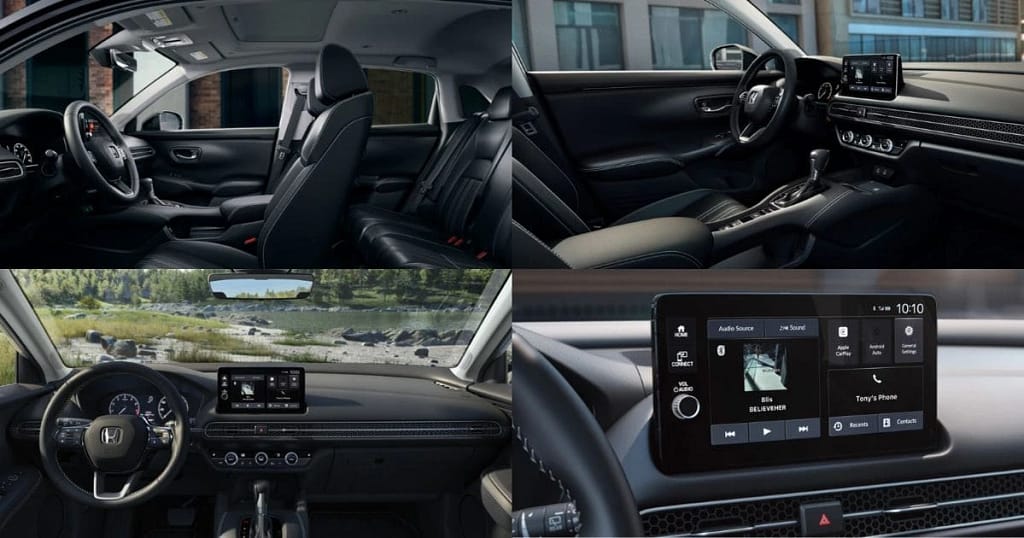
The 2026 Honda HR-V’s interior emphasizes practicality, space, and straightforward design. It is built to be durable and easy to use rather than luxurious or flashy. Key features include:
- Clean, uncluttered dashboard with physical climate controls
- Full-width air vent design for a modern, simple look
- Durable materials in high-contact areas
- Cloth upholstery on LX and Sport trims; leather available on EX-L
- Padded center console and leather-trimmed armrests on higher trims
Passenger and Cargo Space
The 2026 Honda HR-V is designed to maximize interior space for passengers and cargo, which is one of its key advantages in the subcompact SUV segment.
Passenger space:
- Rear-seat legroom and headroom are among the most generous in its class, suitable for adults on shorter to moderate trips
- Rear-seat features are minimal, with no dedicated air vents, USB ports, or center armrest
Cargo capacity:
- Behind the rear seats: approximately 24.4 cubic feet
- With rear seats folded: approximately 55.0 cubic feet
This level of cargo space is competitive for the segment and approaches the capacity of some compact hatchbacks making the HR-V appealing for buyers who need flexibility without moving to a larger vehicle.
Infotainment and Technology
All 2026 Honda HR-V trims come with a 9-inch touchscreen and a set of practical technology features designed for everyday usability rather than advanced infotainment options.
Standard features include:
- Wireless Apple CarPlay and Android Auto
- Wireless phone charging
- USB-C ports in front and rear
The system emphasizes simplicity and functionality, with physical knobs and buttons for climate and audio controls. There is no built-in navigation, head-up display, or surround-view camera system. Audio quality improves on higher trims, though no branded premium sound system is offered.
This setup is aimed at buyers who rely on smartphone integration for connectivity and prefer straightforward, easy-to-use controls.
Safety & Driver-Assistance Features
All 2026 Honda HR-V models come standard with Honda Sensing, a suite of driver-assistance technologies aimed at enhancing safety and reducing the risk of collisions.
Key features include:
- Automatic emergency braking
- Adaptive cruise control
- Lane-keeping assist
- Road departure mitigation
Crash-test ratings are published by the NHTSA and IIHS, where the HR-V has historically performed well and is expected to remain competitive. Buyers should consult the latest evaluations for complete scoring details.
Pros and Cons
| Pros | Cons |
| Spacious rear seating for the segment | Single naturally aspirated engine; no hybrid or turbo option |
| Strong standard safety features (Honda Sensing) | Acceleration is slower than many rivals |
| Practical cargo capacity and flexible interior layout | Fuel economy is average, not best-in-class |
| Simple, user-friendly infotainment and controls | Higher trims approach compact-SUV pricing |
| Available all-wheel drive | Limited rear-seat and advanced technology features on lower trims |
Key Limitations & Trade-Offs
The 2026 Honda HR-V prioritizes reliability, simplicity, and value but this comes with certain trade-offs:
Single powertrain: Only a 2.0-liter naturally aspirated engine with a CVT is available; no hybrid or turbo option.
Performance limitations: Acceleration is slower than many rivals, and there are no advanced performance-oriented variants.
Fuel economy constraints: While adequate, it is not class-leading, especially compared with hybrid-equipped competitors.
Feature positioning: The refresh improves standard equipment and usability but does not fundamentally change the HR-V’s role as a value-focused, practical subcompact SUV.
Overall, the HR-V is designed for buyers who prioritize dependable daily driving and interior space over sporty performance or alternative powertrains.
Specifications
| Specification | Details |
| Engine | 2.0L naturally aspirated inline-4 |
| Horsepower | 158 hp |
| Torque | 138 lb-ft |
| Transmission | Continuously Variable Transmission (CVT) |
| Drivetrain | Front-wheel drive standard, all-wheel drive optional |
| Seating | 5 passengers |
| Cargo Capacity | 24.4–55.0 cu ft |
| Towing | Not rated |
| Infotainment | 9-inch touchscreen standard, wireless Apple CarPlay & Android Auto, USB-C ports, wireless phone charging |
How It Compares in Its Segment with Competitors
When looking at the competition, the 2026 Honda HR-V stands out for its spacious interior and practical layout. It doesn’t offer a hybrid or turbo engine like some rivals, such as the Toyota Corolla Cross or Mazda CX‑30, but it makes up for it with roomy rear seats and a flexible cargo area. Compared with the Subaru Crosstrek, which comes standard with all-wheel drive and higher ground clearance, the HR-V is more focused on everyday comfort and urban driving. Overall, it’s a sensible, safety-focused option for buyers who value space, simplicity, and reliability over sporty performance or alternative powertrains.
Who Should Buy the 2026 Honda HR-V
The HR-V is best suited for buyers who:
- Need maximum interior and cargo space in a small SUV footprint
- Prioritize reliability and long-term ownership
- Prefer a simple, easy-to-use interior without turbo or hybrid complexity
- Value safety features and practical daily usability
Are looking for a dependable vehicle with strong resale potential
Who Should Skip the 2026 Honda HR-V
The HR-V may not be the best choice for buyers who:
- Want quick acceleration or sporty performance
- Are seeking hybrid fuel efficiency or alternative powertrains
- Expect premium interior materials or advanced rear-seat features
- Are comparing similarly priced compact SUVs with more features or stronger engines

I’m Brandon Coldwell, and I write about the latest car launches, EVs, and trends shaping the automotive world. I’ve always loved cars — the design, the tech, and the excitement of new releases — and now I enjoy turning updates into clear, helpful posts.