
Overview
The 2026 Nissan Sentra adds more tech and a sharper look, but keeps the same engine — a choice that may matter depending on what you expect from a compact sedan.
It’s a good fit for buyers who want a new, well-equipped sedan. Against rivals like the Civic and Corolla, it may not be the fastest or most efficient. Instead, it focuses on usability, interior quality, and features that matter for daily driving.
What’s New for 2026
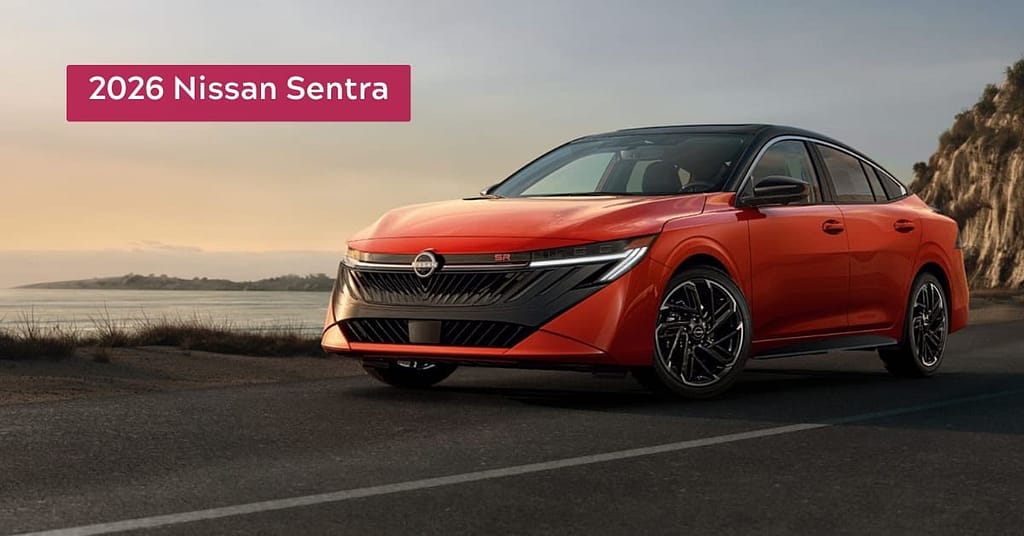
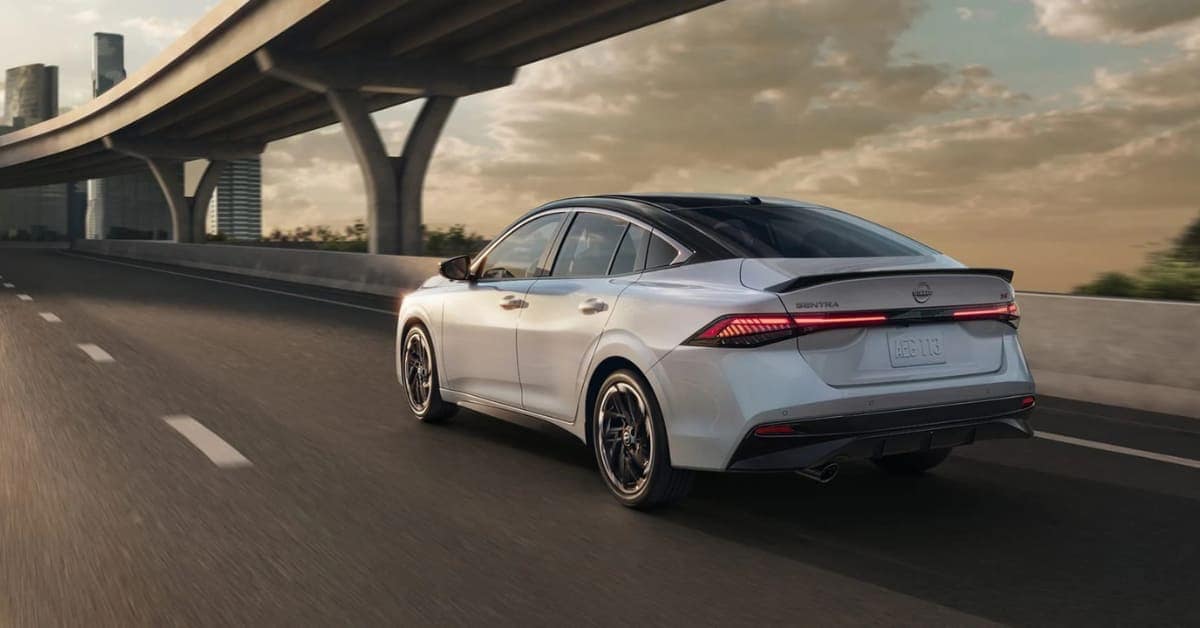
For 2026, the Nissan Sentra gets a refresh in exteriors but does not come with any new mechanical changes. The exterior now looks wider and more grown-up, while the interior is updated with better materials and a cleaner design.
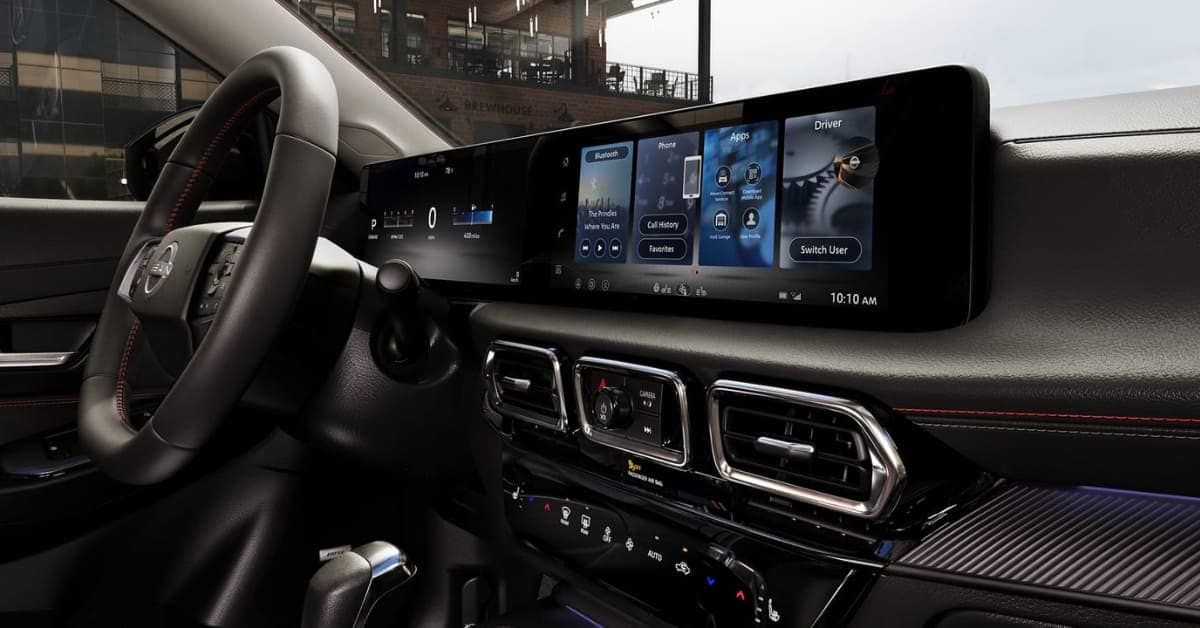
Tech is the biggest upgrade we get on Sentra. It now comes with a 12.3 inch touchscreen and higher trims gets a matching digital gauge cluster that gives the dual-screen setup.
Ambient lighting is a plus. Nissan also made small body and suspension tweaks aimed at improving overall refinement. New and expanded driver-assistance features includes ProPilot Assist on higher trims.
Trims and Prices
The 2026 Nissan Sentra comes in four trims, all priced to stay competitive in the compact sedan segment.
| Trim | Price |
| S | $23,845 |
| SV | $24,615 |
| SR | $26,245 |
| SL | $29,235 |
The S keeps the Sentra under $24,000, while the SV adds the tech most buyers want for a small bump in price. The SR is mostly about sporty looks and bigger wheels, which pushes the price up. The SL is fully loaded and still cheaper than many similarly equipped rivals, though the value gap is smaller at the top.
Which Trim Makes the Most Sense
For most buyers, the SV trim is the best pick. It adds wireless Apple CarPlay and Android Auto, a Sport drive mode, and extra convenience. It covers daily needs well and avoids the higher costs of upper trims.
If you want a fully loaded Sentra, the SL trim makes more sense than the SR. It includes features like a Bose audio system, power sunroof, heated seats and steering wheel, ProPilot Assist and a surround-view camera. You get more standard equipment for less money than a similarly equipped SR.
Fuel Economy
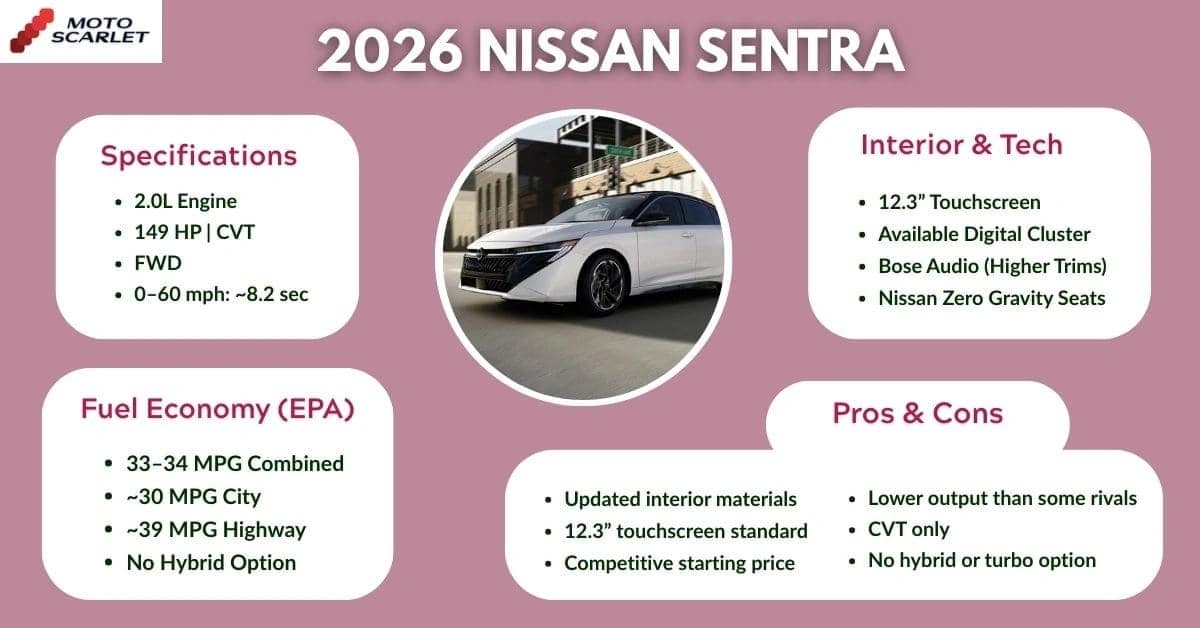
Fuel economy is mostly unchanged from the previous model. Most trims deliver fuel economy in the low to mid-30 mpg range overall, with city driving around 30 mpg and highway numbers approaching 40 mpg in the right conditions.
That’s solid for a gas-only compact sedan, but it doesn’t match what hybrid rivals can offer. Cars like the Toyota Corolla Hybrid and Hyundai Elantra Hybrid get noticeably better mileage, especially in city traffic.
Nissan does not offer a hybrid version of the Sentra, which keeps things simple but may be a downside for buyers focused on saving as much fuel as possible. Official fuel economy ratings are published by the Environmental Protection Agency (EPA).
Drivers who spend a lot of time in city traffic or commute long distances may notice that there isn’t a hybrid option, especially compared to some rivals.
Interior Overview
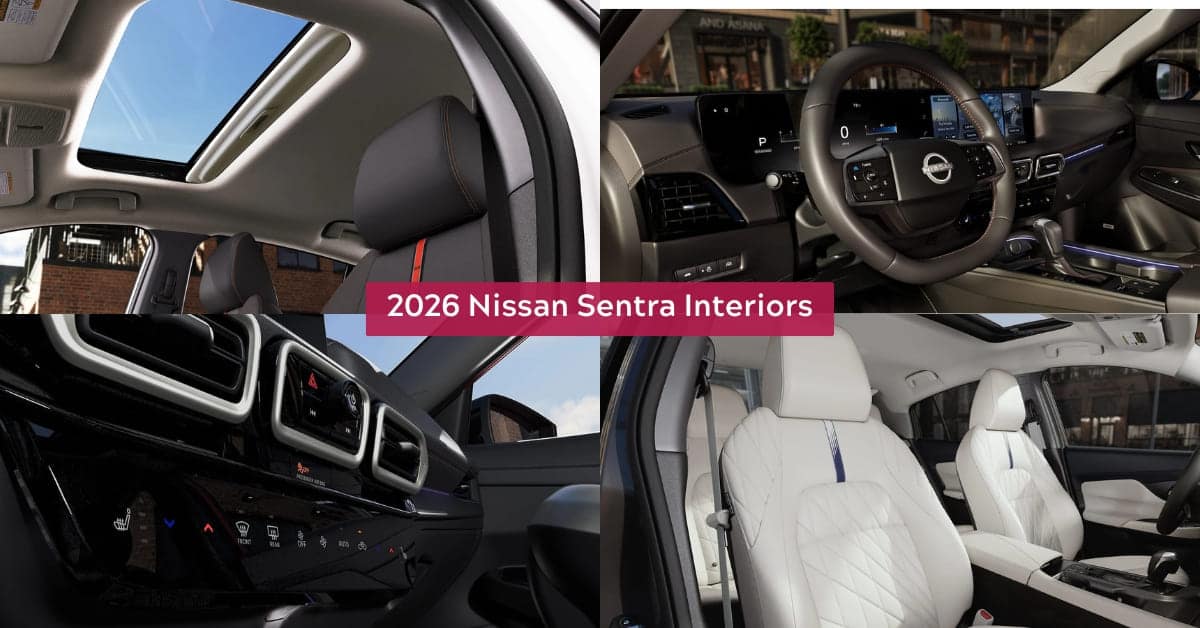
The interior is one of the biggest upgrades. Nissan uses better materials. The design looks far cleaner. Also with less shiny plastic, that gives the cabin a more upscale look. Higher trims add contrast stitching and leather-like seats without making the car feel expensive.
The interior uses a large touchscreen alongside physical buttons and knobs for key functions, with climate controls handled through a touch panel. Zero Gravity seating is used in the front and rear.
Passenger and Cargo Space
- Seating: 5 people
- Cargo space: just over 14 cubic feet
Front-seat space is suitable for most adults, though taller occupants may find headroom or legroom limited. Rear seating accommodates two adults comfortably, with space for three on shorter trips which is typical for this class.
Rear-seat features are basic, with limited storage and comes with no air vents. The trunk is competitive for the class and has a wide opening, plus rear seat releases that make it easier to carry longer or bulkier items.
Infotainment and Technology
Every trim now gets a 12.3-inch touchscreen, Apple CarPlay, Android Auto and Bluetooth. Wireless phone connection is available on trims above the base S.
Higher trims also add a 12.3-inch digital gauge cluster. USB-C ports are available for front and rear passengers, and wireless charging is offered on select trims. Audio ranges from a basic setup to an eight-speaker Bose system on higher trims. There’s no built-in navigation, so maps run through your phone.
Safety & Driver-Assistance Features
The 2026 Nissan Sentra comes well equipped with safety tech. Every trim includes Nissan Safety Shield 360, which covers the basics most buyers expect.
Standard features include automatic emergency braking with pedestrian detection, rear automatic braking, adaptive cruise control, blind-spot warning, lane departure warning, and automatic high beams. Higher trims add ProPilot Assist for steering and speed support, along with an available Around View Monitor that helps with parking in tight spaces.
Crash-test ratings are published by the National Highway Traffic Safety Administration (NHTSA) and the Insurance Institute for Highway Safety (IIHS) as new results are released.
Pros
- Modern exterior styling and an upscale interior for the segment
- Strong standard feature list, including a large infotainment screen
- Comfortable, composed ride suited to daily driving
- Competitive pricing, especially in lower trims
- Fuel economy that’s solid for a gas-only compact sedan, but not class-leading
Cons
- Underpowered engine relative to several rivals
- No hybrid or turbocharged powertrain option
- CVT limits driver engagement
- Performance and efficiency trail hybrid competitors
- Rear-seat amenities are limited
Key Limitations & Trade-Offs
The 2026 Nissan Sentra keeps its price low by using the same platform and engine as before. That helps Nissan spend more on design, interior quality and tech without raising the cost.
The downside is performance. Acceleration is average, the CVT is the only transmission, and there’s no turbo or hybrid option. At higher trims, the value gap also shrinks, since some rivals offer more power or better fuel efficiency for similar money.
Specifications
| Item | Details |
| Powertrain | Gasoline |
| Engine | 2.0L inline-four |
| Output | 149 hp / 146 lb-ft |
| Transmission | Continuously Variable Transmission (CVT) |
| Drivetrain | Front-wheel drive |
| EPA-estimated MPG (combined) | 33–34 mpg |
| Seating capacity | 5 |
| Cargo volume | 14 cubic feet |
| Limited warranty | 3 years / 36,000 miles |
| Powertrain warranty | 5 years / 50,000 miles |
How It Compares in Its Segment with Competitors
The 2026 Nissan Sentra goes up against cars like the Honda Civic, Toyota Corolla, Hyundai Elantra, Kia K4, and Volkswagen Jetta. Its biggest advantage is price, along with a strong list of standard features and an interior that feels nicer than you might expect for the money.
Some rivals clearly do better in certain areas. The Corolla and Elantra offer hybrid versions with much better fuel economy, while the Civic and Jetta have stronger engines and feel more performance-focused. Kia and Hyundai also stand out with longer warranty coverage.
Who Should Buy
The 2026 Nissan Sentra is a good fit for:
- Buyers who want an affordable new car with a warranty.
- Commuters who care more about comfort and features than speed.
- Shoppers who prefer a simple, traditional sedan over an SUV.
- Drivers who want modern tech and a nice interior without paying extra.
Who Should Skip
The 2026 Nissan Sentra may not be the right fit if you want:
- Quick acceleration or sporty driving feel
- The best fuel economy from a hybrid
- Strong engines or advanced powertrain options
- Top trims focused on performance rather than comfort
Quick Spec Sheet
Verdict
The 2026 Nissan Sentra puts its focus on design, technology, and a nicer interior while keeping the price in check. It isn’t built for speed or advanced powertrains, so buyers looking for strong performance or a hybrid option may want to look elsewhere.
Where the Sentra works best is in comfort, everyday features, and easy ownership. For shoppers who want a simple compact sedan with modern tech and a smooth ride, it does the job without trying to be more than it needs to be.
ALSO READ – 2026 Buick Encore GX Overview: Specs, Pricing and Trim Comparison

I’m Brandon Coldwell, and I write about the latest car launches, EVs, and trends shaping the automotive world. I’ve always loved cars — the design, the tech, and the excitement of new releases — and now I enjoy turning updates into clear, helpful posts.